Vital Truths Concerning Basement Waterproofing: Secure Your Investment
Basement waterproofing is a crucial facet of residential property upkeep that many house owners overlook. It acts as a protective barrier versus water intrusion, which can result in significant structural damages and wellness problems. Understanding the typical reasons of water issues and recognizing the signs that indicate a requirement for waterproofing can save house owners from expensive repair services. The approaches offered for waterproofing differ, yet the selection between DIY and professional remedies can be critical. What elements should home owners consider when making this decision?
Comprehending the Value of Basement Waterproofing
Numerous homeowners might take too lightly the importance of basement waterproofing, it plays a crucial role in preserving a secure and healthy living setting. A completely dry cellar is important for overall home honesty, as dampness can result in structural damage, mold development, and pest invasions. These issues not just endanger the safety and security of the home yet can likewise adversely impact the wellness of its passengers.
Effective waterproofing steps shield beneficial items and boost the building's resale value, making it a wise financial investment for any home owner. An appropriately waterproofed cellar can increase usable living space, permitting for additional recreational or storage space locations - basement waterproofing. By understanding the importance of cellar waterproofing, home owners can take aggressive actions to ensure their living atmosphere stays risk-free, healthy and balanced, and important. Disregarding this considerable aspect of home maintenance may result in pricey repair work and health and wellness issues in the future, emphasizing the demand for understanding and action
Typical Root Causes Of Water Invasion
Water breach in basement can commonly be traced back to numerous typical problems. Poor water drainage systems, fractured foundation wall surfaces, and groundwater stress build-up are significant contributors to this issue. Recognizing these reasons is essential for effective waterproofing options.
Poor Drain Systems
Inadequate water drainage systems present a considerable threat for water breach in basement. These systems are made to channel water far from a home's foundation yet can stop working because of numerous elements. Stopped up rain gutters can protect against appropriate water flow, creating overflow and merging around the foundation. Downspouts that are too brief may release water also close to the residence, aggravating dampness issues. Furthermore, incorrect grading of the landscape can direct rainwater towards the foundation instead of away from it. In time, these water drainage failures can lead to significant water build-up in basement, leading to mold development, structural damages, and pricey fixings. Preserving a reliable drainage system is necessary for guarding the stability of a home's basement.

Split Foundation Walls
Poor water drainage systems can worsen the problem of cracked foundation walls, which are a typical reason for water invasion in basement. These splits can create due to a variety of aspects, consisting of soil negotiation, extensive clay dirts, and freeze-thaw cycles. As the soil around the foundation shifts or expands, it exerts pressure on the walls, resulting in cracks. In addition, improper grading or landscape design can route water toward the foundation, boosting the possibility of fracturing. As soon as splits develop, they produce pathways for water to permeate in, jeopardizing the stability of the basement. Dealing with the underlying sources of fractured wall surfaces is crucial for effective waterproofing and long-term security of the property. Regular assessments and prompt repair services can alleviate these threats considerably.
Groundwater Stress Accumulation
When hefty rains happens or snow melts rapidly, groundwater pressure can develop up around a home's foundation, leading to significant water intrusion problems in basement. This pressure occurs from the saturation of dirt, which can overwhelm water drainage systems and develop hydrostatic pressure. Poor water drainage systems, such as insufficient downspouts or stopped up gutters, intensify the situation by routing water in the direction of the foundation as opposed to far from it. Additionally, the sort of soil-- specifically clay-- can maintain water, further adding to stress build-up. Over time, this relentless stress can cause leaks, mold and mildew development, and structural damage. Addressing these problems without delay via correct water drainage options and waterproofing methods is essential for keeping a dry and safe and secure explore here basement.
Indications Your Basement Requirements Waterproofing
Just how can homeowners recognize if their basement calls for waterproofing? Signs of dampness or water invasion are key indicators. House owners should seek damp places on ceilings, wall surfaces, or floorings, which may suggest leakages. Moldy smells frequently suggest mold and mildew or mildew development, which thrives in moist settings. On top of that, peeling paint or wallpaper can be an indication of water damages. Fractures in the foundation or wall surfaces are also dead giveaways that moisture is passing through the cellar. Homeowners may notice boosted moisture levels in the cellar, which can cause discomfort and health and wellness problems. Standing water or puddles after heavy rainfalls offers as a strong warning. Ultimately, if the cellar is regularly cool or has condensation on windows, it might signal a hidden wetness trouble. Recognizing these signs early can assist avoid extra considerable damage and safeguard the stability of the home.
Effective Waterproofing Approaches
Effective waterproofing approaches are essential for preserving a secure and completely dry cellar. This discussion will explore both indoor waterproofing strategies, which address moisture issues from within the home, and exterior drainage remedies, created to avoid water from going into the cellar. Recognizing these methods can aid home owners make notified choices regarding their waterproofing needs.
Inside Waterproofing Techniques
While several house owners concentrate on outside services, interior waterproofing methods play a necessary duty in protecting against water damage - basement waterproofing. These techniques include the application of sealers to floors and wall surfaces, which create an obstacle versus dampness infiltration. Another effective strategy is the installation of a sump pump, which assists take care of any kind of water buildup within the basement. In addition, interior water drainage systems can reroute water away from susceptible areas, ensuring that it does not swimming pool. Utilizing dehumidifiers can assist control moisture degrees, reducing the threat of mold growth. By executing these indoor actions, house owners can considerably boost their basement's resistance to water, thus safeguarding their investment and preserving a safe living setting
Exterior Drainage Solutions
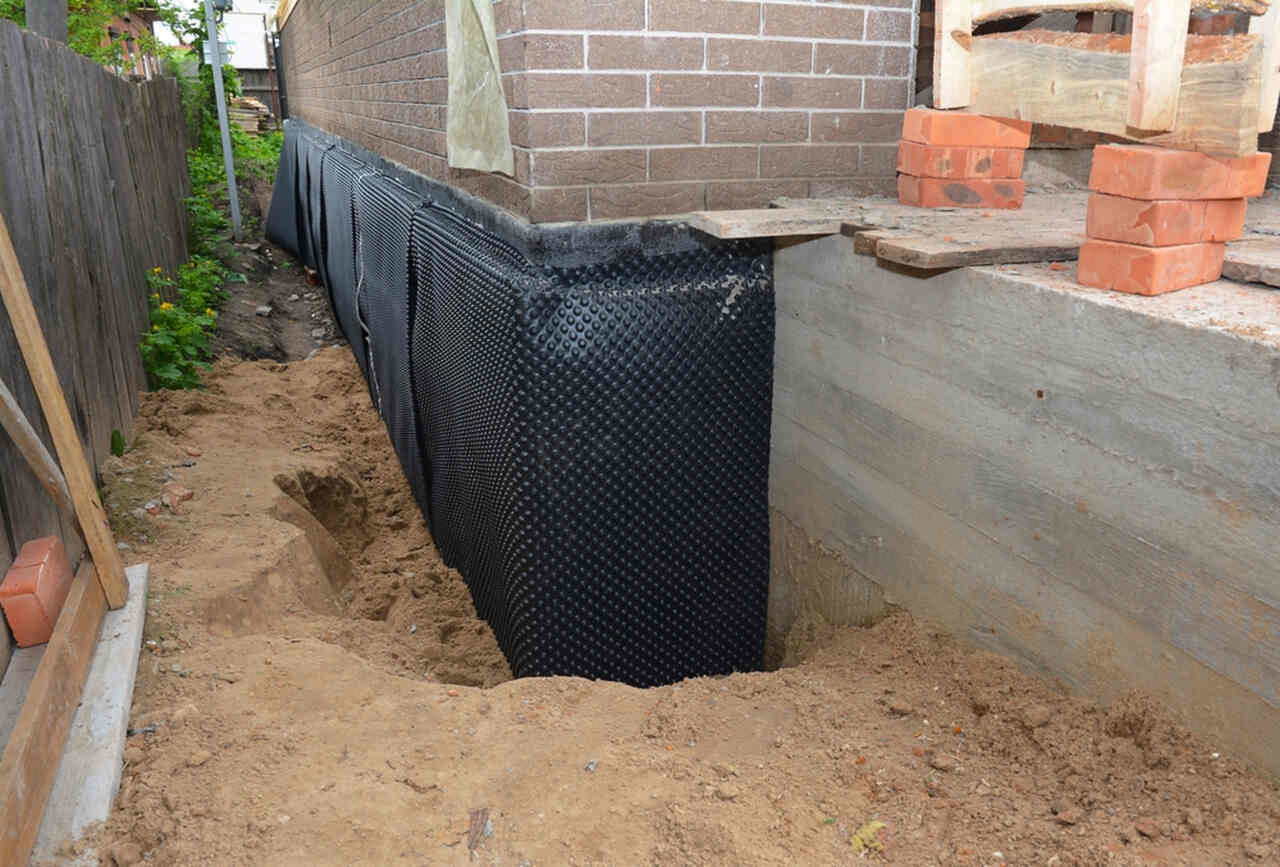
Outside drainage options are necessary for shielding basement from water intrusion. These methods effectively handle surface area and subsurface water, minimizing the risk of flooding and structural damages. An usual method entails mounting rain gutters and downspouts that direct rainwater away from the foundation. French drains pipes are an additional effective remedy, containing a trench filled with gravel and a perforated pipe that redirects and gathers groundwater. Furthermore, rating the landscape away from the home guarantees that water streams far from the foundation. Waterproof membranes can also be put on exterior wall surfaces to supply an extra layer of security. Implementing these outside drain solutions aids keep a completely dry cellar and safeguards residential or commercial property financial investments from potential water-related issues.
DIY vs. Expert Waterproofing Solutions
When considering basement waterproofing, home owners often consider the advantages of DIY services versus those used by experts. DIY methods can be appealing due to decrease prices and the complete satisfaction of completing a task individually. Simple tasks, such as applying sealers or installing interior water drainage systems, can be workable for handy home owners. These options may lack the competence and detailed techniques that specialists provide.
On the various other hand, employing a specialist waterproofing specialist ensures a detailed evaluation of the cellar's distinct conditions. Specialists bring experience and specialized equipment, which can result in much more long-lasting and reliable outcomes. They can likewise determine underlying problems that house owners might forget. Eventually, the choice in between DIY and expert waterproofing depends on private skill levels, task intricacy, and budget plan considerations. Property owners must thoroughly review their options to shield their financial investment effectively.
Long-Term Benefits of Waterproofing Your Basement
Investing in cellar waterproofing offers many lasting advantages that expand beyond prompt wetness control. One remarkable benefit is the improvement of residential or commercial property value; a dry, well-kept basement is an appealing function for potential customers, offering satisfaction regarding structural integrity. Furthermore, waterproofing aids stop mold and mildew and mold development, which can result in wellness problems and costly removal efforts.
Moreover, a waterproof basement can serve as useful space, enabling home owners to broaden their homes without the cost of new building. This included square footage can be changed into a leisure location, office, or storage room, making the property a lot more functional and satisfying.
Upkeep Tips for a Dry Basement
To ensure a completely dry basement, routine upkeep is vital, as neglecting this room can result in dampness troubles with time. Property owners must begin by evaluating the foundation for fractures and sealing them quickly to stop water seepage. Seeing to it gutters and downspouts straight water far from the foundation is crucial; they ought to be cleaned frequently to avoid blockages. Preserving a proper rating around your house will certainly additionally aid divert rainwater. In addition, checking the sump pump and confirming it operates successfully can stop flooding during hefty rainfalls. Installing a dehumidifier can further reduce moisture levels, lessening the threat of mold and mildew development. Ultimately, carrying out periodic examinations for plumbing leakages or condensation will assist identify concerns prior to they rise. By sticking to these maintenance tips, home owners can ensure their basement continue to be dry, securing their investment and improving the longevity of the home.
Often Asked Inquiries
How Much Does Basement Waterproofing Usually Expense?
Basement waterproofing generally costs between $1,500 to $5,000, depending upon factors such as the home's dimension, the kind of waterproofing approach utilized, and the level of water damage. Professional assessments can offer more precise estimates.
Can I Water-proof My Basement During Winter?
Yes, cellar waterproofing can be carried out during winter months. Factors such as temperature level and dampness levels should be thought about, as cool weather condition can affect the materials and methods made use of in the waterproofing process.
For How Long Does Waterproofing Last Before Needing Reapplication?
Waterproofing normally lasts in between 5 to ten years, relying on the products used, ecological problems, and upkeep - basement waterproofing. Regular examinations are suggested to establish if reapplication is required for best protection against wetness intrusion
Exist Any Type Of Health Risks Connected With Basement Dampness?
Yes, basement moisture can present health and wellness risks, consisting of mold and mildew development, enhanced irritants, and respiratory problems. Extended direct exposure might cause serious problems, highlighting the relevance of addressing wetness problems promptly to safeguard wellness.
What Allows Are Required for Basement Waterproofing Jobs?
Generally, basement waterproofing tasks might require authorizations related to structural modifications, plumbing, or water drainage job. It is critical for homeowners to inspect with regional building authorities to assure conformity with all regulations prior to beginning any type of work.
Basement waterproofing is an essential aspect of residential or commercial property maintenance that lots of property owners forget. Numerous homeowners might take too lightly the relevance of cellar waterproofing, it plays a crucial function in maintaining a healthy and safe living environment. By understanding the importance of basement waterproofing, house owners can take aggressive actions to ensure their living environment continues to be safe, healthy and balanced, and beneficial. When taking into consideration cellar waterproofing, home owners often evaluate the advantages of DIY solutions against those offered by experts. Basement waterproofing generally costs in between $1,500 to $5,000, depending on variables such as the home's dimension, the kind of waterproofing technique utilized, and the degree of water damages.